Quick Answer
Yes, clogged gutters directly cause mold growth on Sacramento homes. When debris blocks water flow, gutters overflow and saturate fascia boards, soffits, exterior walls, and foundations. Mold spores colonize these damp surfaces within 24-48 hours when temperatures sit between 60-80°F -- conditions Sacramento experiences throughout most of the October-April wet season.
Mold remediation in Sacramento costs $1,500-$15,000+ depending on severity. Regular gutter cleaning ($150-$350 per visit) or gutter guard installation ($1,200-$3,000 one-time) eliminates the root cause.
Most Sacramento homeowners know clogged gutters cause water damage. Fewer realize that the moisture from overflowing gutters creates a mold problem that can cost thousands to fix and affect their family's health. Sacramento's combination of heavy winter rainfall and mild temperatures (rarely freezing, rarely scorching during the wet months) produces a mold-friendly environment that few other California cities match.
The connection is straightforward: clogged gutters overflow, overflow saturates building materials, and saturated materials grow mold. What makes this dangerous is how quickly it happens -- and how expensive it gets once mold penetrates beyond surface level.
This guide covers the exact mechanism linking clogged gutters to mold, where mold shows up first on Sacramento homes, the health and financial risks, and how to prevent it through proper gutter maintenance.
TL;DR: Clogged gutters cause overflow that saturates wood and drywall, and mold grows within 24-48 hours in Sacramento's wet-season conditions. Fascia boards are the first casualty (38% of gutter-related mold cases), followed by exterior walls and attics. Remediation costs $1,500-$15,000+, while prevention via gutter cleaning costs $150-$350 per visit. Gutter guards eliminate the clog problem entirely for a one-time investment.
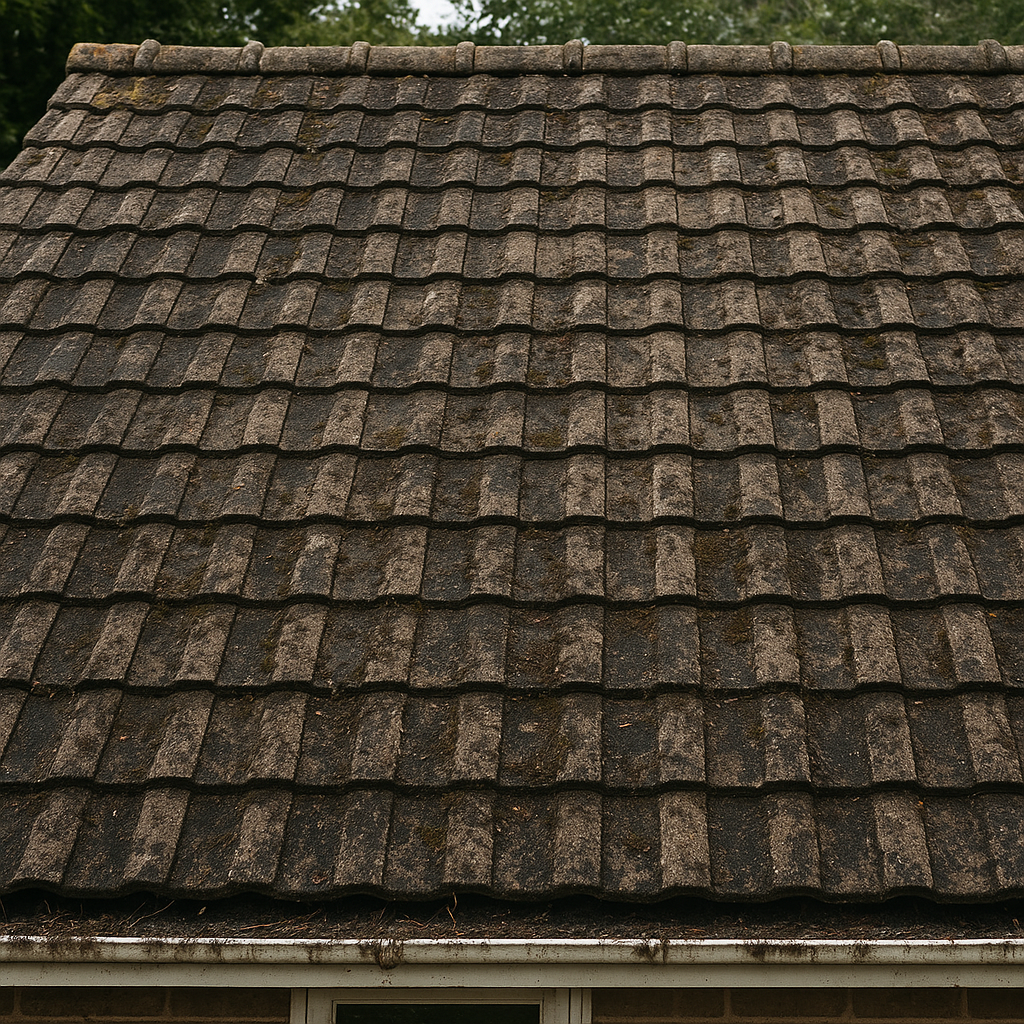
How Do Clogged Gutters Lead to Mold Growth?
The pathway from clogged gutter to mold colony is a chain reaction. Each step makes the next one worse, and the speed at which it escalates surprises most homeowners.
The 5-Step Overflow-to-Mold Cycle
- 1Debris accumulates in gutters.
Sacramento's valley oaks, Chinese pistache, and liquidambar trees drop leaves from October through January. Pine needles from Ponderosa pines in foothill areas accumulate year-round. A single large oak can fill a gutter run in 2-3 weeks during peak leaf drop.
- 2Water backs up and overflows.
When the first major rain hits (Sacramento averages 3.7 inches in January alone), blocked gutters can't channel water to downspouts. Water spills over the front edge and, more critically, backs up behind the gutter and flows against the fascia board.
- 3Building materials absorb moisture.
Fascia boards, soffits, and wall sheathing are typically wood or composite materials that absorb water. Without a proper drip edge, water wicks into these materials and stays trapped. Even after rain stops, the wood remains damp for days.
- 4Mold spores colonize damp surfaces.
Mold spores are always present in outdoor air. They need three things to grow: moisture (above 60% relative humidity), a food source (wood, drywall, dust), and temperatures between 40-100°F. Saturated fascia and soffits provide all three. Colonization begins within 24-48 hours.
- 5Mold spreads and penetrates.
Visible mold appears within 1-2 weeks. Within 30 days, mold hyphae (root structures) penetrate beneath surfaces, making wipe-down cleaning ineffective. The mold migrates along moisture paths into attic spaces, wall cavities, and insulation.
Where Does Gutter-Related Mold Appear on Sacramento Homes?
Mold from gutter overflow doesn't show up randomly. It follows water pathways from the roofline down. Knowing where to look means catching it before remediation costs escalate from hundreds to thousands.
Fascia Boards and Soffits (Most Common)
Fascia boards take the first hit because they sit directly behind the gutter. When water backs up, it runs down the face of the fascia and seeps into the wood grain. Sacramento homes built before the 1990s often have unpainted or minimally sealed wood fascia that absorbs water like a sponge. Black or green mold patches on fascia boards are the most visible early warning sign. Our fascia damage and gutters guide covers repair costs and prevention in detail.
Exterior Stucco and Siding Walls
Overflow water cascading down walls saturates stucco (common on Sacramento homes built since the 1970s) and seeps behind siding. Stucco is porous -- it absorbs moisture and retains it, especially on north-facing walls that receive less sun. Dark streaks or discoloration below the roofline on exterior walls almost always trace back to gutter overflow.
Attic Spaces and Roof Sheathing
Water backing up behind clogged gutters can wick under roofing materials and into the attic. Attic mold is particularly insidious because homeowners rarely inspect attic spaces. By the time mold is discovered, it may have spread across roof sheathing, rafters, and insulation. Hidden damage signs like musty odors in upstairs rooms or dark spots on ceilings often indicate attic mold.
Foundation Walls and Crawl Spaces
When gutters overflow at ground level, water pools against the foundation. Sacramento's clay-heavy soil traps this moisture, keeping foundation walls damp for extended periods. Crawl spaces in older Sacramento neighborhoods (Land Park, Curtis Park, East Sacramento) are especially vulnerable because they combine poor ventilation with direct soil moisture contact. Proper gutter drainage and foundation protection prevents this chain of problems.

Why Sacramento's Climate Makes Gutter Mold Worse
Sacramento's Mediterranean climate creates a near-perfect mold incubator during the wet season. The combination of factors is worse than most California cities for gutter-related mold growth.
Heavy Rainfall Concentrated in 6 Months
Sacramento averages 18.5 inches of annual rainfall, but 85% of it falls between October and March. This concentrated wet season means gutters must handle heavy volumes over a short period -- exactly when they're most likely to be clogged with fall leaf drop. A single atmospheric river event can dump 3-5 inches in 48 hours, overwhelming any gutter with even partial debris blockage.
Mild Temperatures That Never Kill Mold
Sacramento's average winter temperature ranges from 45-60°F. Mold grows actively between 40-100°F, with the fastest growth between 60-80°F. Unlike cities with hard freezes that temporarily halt mold growth, Sacramento's mild winters allow continuous mold activity from the first fall rains through early spring. The mold doesn't get a natural "kill cycle" the way it does in colder climates.
Massive Tree Canopy Feeds Gutter Clogs
Sacramento is known as the "City of Trees" with an estimated 5.3 million trees in the urban canopy (Sacramento Tree Foundation). While that canopy provides shade and property value, it also generates enormous debris volume. Valley oaks, sycamores, and Chinese pistache trees in neighborhoods like East Sacramento, Land Park, and Midtown produce heavy leaf loads that clog gutters right before the wet season begins. Foothill communities like Auburn, Grass Valley, and Loomis face additional pine needle buildup year-round.
Pro Tip: Time Your Cleaning to the Mold Window
The most critical gutter cleaning in Sacramento happens in late November -- after the bulk of leaf drop but before the heaviest rainfall in December and January. A second cleaning in March catches any winter debris before spring moisture creates a second mold-risk window. This two-cleaning schedule costs $300-$700/year but prevents thousands in mold remediation. See our best time to clean gutters in Sacramento guide for the complete schedule.
Health Risks of Mold From Clogged Gutters
Mold from gutter overflow isn't just a cosmetic or structural issue. Once mold establishes on or inside your home, it becomes a health hazard -- especially for vulnerable family members.
Common Health Effects of Residential Mold Exposure
The California Department of Public Health identifies mold as a significant indoor air quality hazard. Symptoms vary by exposure level and individual sensitivity, but the most common health effects include:
- Respiratory irritation: Coughing, wheezing, and shortness of breath from inhaling mold spores
- Allergic reactions: Sneezing, runny nose, red eyes, and skin rashes (affects up to 10% of the population)
- Asthma aggravation: The CDC links indoor mold to asthma development in children and worsened symptoms in existing asthmatics
- Chronic sinus infections: Repeated or persistent sinus issues that don't respond to standard treatment
- Headaches and fatigue: Chronic low-grade symptoms that many homeowners attribute to other causes
Black Mold Warning
Stachybotrys chartarum (black mold) thrives on water-damaged drywall and cellulose-based materials -- exactly what it finds when gutter overflow saturates wall cavities. Black mold produces mycotoxins that can cause severe respiratory distress, neurological symptoms, and immune suppression with prolonged exposure. If you see dark black patches with a slimy texture, do not disturb them. Contact a certified mold remediation specialist and keep the area sealed off. Children, elderly adults, and anyone with respiratory conditions or weakened immune systems are at highest risk.
Prevent Mold Before It Starts
Professional gutter cleaning removes the debris that causes overflow and mold-triggering moisture. Serving all Sacramento metro neighborhoods.
Get Your Free Gutter InspectionWhat Does Mold Remediation Cost in Sacramento?
Mold remediation costs scale dramatically based on how far the mold has spread and what materials are affected. Early detection saves thousands. Here is what Sacramento homeowners typically pay at each stage.
Sacramento Mold Remediation Cost Breakdown
| Mold Location | Typical Cost | Timeline | Insurance Covered? |
|---|---|---|---|
| Fascia board surface mold | $200-$800 | 1 day | Rarely |
| Soffit + fascia replacement | $1,500-$4,000 | 1-2 days | Rarely |
| Exterior wall section | $2,000-$6,000 | 2-4 days | Sometimes |
| Attic remediation | $3,000-$8,000 | 3-5 days | Sometimes |
| Crawl space treatment | $2,000-$6,000 | 2-4 days | Rarely |
| Full home remediation | $10,000-$30,000+ | 1-3 weeks | Varies |
Why Insurance Usually Won't Cover Gutter-Related Mold
Most California homeowners insurance policies exclude mold caused by maintenance neglect. Since clogged gutters are classified as a maintenance issue -- not a sudden event like a burst pipe -- the resulting mold damage typically falls outside standard coverage. Some policies offer optional mold riders with $5,000-$10,000 limits, but even these may exclude "gradual damage" from ongoing gutter problems.
The financial math is stark: gutter cleaning costs $150-$350 per visit, and twice-yearly cleaning runs $300-$700 annually. A single mold remediation event costs 5x-40x more -- and your insurer likely won't help. Read our full breakdown on homeowners insurance and gutter damage claims for what is and isn't covered.
7 Warning Signs of Gutter-Related Mold on Your Sacramento Home
Catching mold early is the difference between a $500 surface cleaning and a $10,000+ remediation project. Watch for these signs, especially during and after Sacramento's October-March wet season.
Look at the wood directly behind your gutter line. Any dark patches, fuzzy growth, or staining that wasn't there before rainy season started is a red flag.
Mold produces volatile organic compounds (VOCs) with a distinctive musty, earthy odor. If you notice this smell in rooms below the roofline or when opening attic access, investigate immediately.
Vertical dark streaking on stucco or siding below gutter level indicates chronic overflow. The streaks themselves may be mold, or they may be dirt deposits marking moisture pathways where mold grows underneath.
Moisture behind paint causes it to lose adhesion. If your exterior paint is peeling, cracking, or bubbling within 2-3 feet of the gutter line, trapped moisture (and likely mold) is behind it.
Press on fascia boards and soffits with your thumb. If the material gives or feels soft, it's absorbing water and likely has mold penetrating the wood. This indicates the problem has progressed beyond surface level and may require fascia replacement.
If family members develop new respiratory symptoms -- sneezing, coughing, itchy eyes -- that improve when they leave the house and worsen when they return, indoor mold exposure is a likely cause. Sacramento's outdoor pollen season runs March-July, so allergy symptoms during October-February are more likely mold-related.
Brown or yellowish stains on interior surfaces near the roofline indicate water is penetrating from outside. Where there's water intrusion, mold follows. Don't just paint over the stain -- find and fix the moisture source first.
How to Prevent Mold From Clogged Gutters in Sacramento
Preventing gutter-related mold comes down to one principle: keep water flowing through your gutter system and away from your home. Every prevention method addresses some part of this chain.
Regular Gutter Cleaning (Minimum Twice Per Year)
The simplest prevention: remove debris before it causes clogs. Sacramento homeowners should schedule cleanings in late November (after peak leaf drop) and March (after winter storm debris). Homes near heavy tree canopy -- oak trees in particular -- may need a third cleaning in January. Professional gutter cleaning in Sacramento costs $150-$350 per visit depending on home size and accessibility.
Gutter Guard Installation (Long-Term Solution)
Gutter guards prevent the clogs that cause overflow in the first place. Micro-mesh guards are the most effective option for Sacramento -- they block leaves, pine needles, and even Sacramento's heavy spring pollen while allowing water to flow through. Our gutter cleaning vs. gutter guards comparison shows that guards pay for themselves in 3-5 years through eliminated cleaning costs alone, without factoring in the avoided mold risk.
Proper Downspout Drainage
Even clean gutters can cause mold if downspouts dump water against your foundation. Downspout extensions should direct water at least 5 feet from your foundation -- Sacramento County code requires this minimum setback. Underground drainage systems are the most effective solution for Sacramento's clay soil, which pools surface water.
Drip Edge and Flashing Maintenance
A properly installed drip edge prevents water from running behind the gutter and down the fascia. Missing or damaged drip edges are responsible for a significant portion of fascia mold in Sacramento homes. If water is dripping behind your gutters, a drip edge or gutter apron installation (typically $3-$6 per linear foot) resolves the issue.
Annual Roof and Gutter Inspection
An annual inspection before the wet season (ideally September or October) catches problems before they produce mold. A professional inspector checks gutter slope, fascia condition, flashing integrity, and downspout function. Combine this with a spring gutter inspection to bookend the wet season with prevention checks.
Sacramento Gutter-Mold Prevention Checklist
- Clean gutters in late November and March (add January for heavy tree cover)
- Install micro-mesh gutter guards for hands-off debris prevention
- Verify downspout extensions reach 5+ feet from foundation
- Check drip edge condition before wet season
- Inspect fascia boards for soft spots, discoloration, or peeling paint
- Trim tree branches within 6 feet of the roofline to reduce debris load
- Ensure attic ventilation is adequate (reduces moisture buildup from inside)
- Schedule professional inspection in September/October
Frequently Asked Questions
Can clogged gutters cause mold in your house?
Yes. Clogged gutters overflow and direct water against fascia boards, soffits, exterior walls, and foundations. This persistent moisture creates the conditions mold needs to grow. In Sacramento, where winter rain is followed by mild temperatures, mold colonies can establish on saturated wood and drywall within 24-48 hours of water intrusion.
How quickly does mold grow from gutter overflow in Sacramento?
Mold spores begin colonizing damp surfaces within 24-48 hours when temperatures are between 60-80°F and relative humidity exceeds 60%. Sacramento meets these conditions throughout most of the October-April wet season. A single heavy rainstorm with clogged gutters can start mold growth that becomes visible within 1-2 weeks.
How much does mold remediation cost in Sacramento?
Mold remediation in Sacramento typically costs $1,500-$6,000 for a contained area like a fascia board or attic section. Extensive mold affecting multiple rooms or structural components can cost $10,000-$30,000 or more. By comparison, professional gutter cleaning costs $150-$350 per visit -- a fraction of remediation costs.
Does homeowners insurance cover mold from clogged gutters?
In most cases, no. California homeowners insurance policies typically exclude mold damage caused by maintenance neglect. Since clogged gutters are considered a maintenance issue, mold growth resulting from gutter overflow is usually not covered. Some policies offer limited mold coverage ($5,000-$10,000) as an add-on rider, but prevention through regular gutter maintenance is far more cost-effective.
Do gutter guards prevent mold growth on homes?
Gutter guards significantly reduce mold risk by preventing the clogs that cause overflow and moisture intrusion. Micro-mesh guards are the most effective, blocking leaves, pine needles, and debris while maintaining water flow. While no product eliminates all risk, gutter guards remove the primary cause of gutter-related mold: standing water and overflow from debris blockages. See our gutter guards effectiveness guide for detailed performance data.
What are the health risks of mold from gutter problems?
Mold from gutter moisture intrusion can cause respiratory irritation, allergic reactions, asthma attacks, and chronic sinus infections. Black mold (Stachybotrys chartarum) thrives on water-damaged drywall and wood and produces mycotoxins that are particularly harmful. The California Department of Public Health identifies mold as a significant indoor air quality hazard, especially for children, elderly, and immunocompromised individuals.
Stop Mold at the Source: Your Gutters
Professional gutter cleaning and guard installation eliminate the overflow that causes mold on Sacramento homes. Free inspections, same-week scheduling.
What Sacramento Homeowners Should Do Now
If you suspect mold from clogged gutters or want to prevent it, here is the action sequence:
- Inspect your gutters this week. Look for debris accumulation, standing water, or overflow staining on fascia and walls. A quick ground-level visual check takes 10 minutes.
- Check your fascia for mold signs. Walk the perimeter of your home and look for discoloration, soft spots, or musty odors near the roofline. Use binoculars if needed.
- Schedule gutter cleaning if overdue. If your gutters haven't been cleaned since before the wet season, request a cleaning before the next storm cycle. Sacramento's spring rains continue through April.
- Consider gutter guards for permanent prevention. If you're cleaning gutters twice a year and still seeing overflow, micro-mesh gutter guards eliminate the problem at the source.
- Address existing mold immediately. If you've found mold, don't wait. Surface mold on fascia can be treated by a professional for $200-$800. Waiting until it penetrates the structure multiplies the cost by 5-10x.
Sacramento's climate will never stop producing conditions favorable to mold growth. The only variable you control is whether your gutters give water a path into your home's building materials. Clean gutters and proper drainage eliminate that path.
Sources
- U.S. Environmental Protection Agency. "Mold Cleanup in Your Home." epa.gov
- Centers for Disease Control and Prevention. "Basic Facts About Mold and Dampness." cdc.gov
- California Department of Public Health. "Mold in My Home: What Do I Do?" cdph.ca.gov
- Insurance Information Institute. "Facts + Statistics: Homeowners and Renters Insurance." iii.org
- Sacramento Tree Foundation. "Sacramento's Urban Forest." sactree.org
- National Weather Service, Sacramento. Historical rainfall data. weather.gov/sto