Detailed Answer
Roof warranty implications are one of the most misunderstood aspects of gutter guard installation. The risk is real but avoidable by specifying the right mounting method before installation begins.
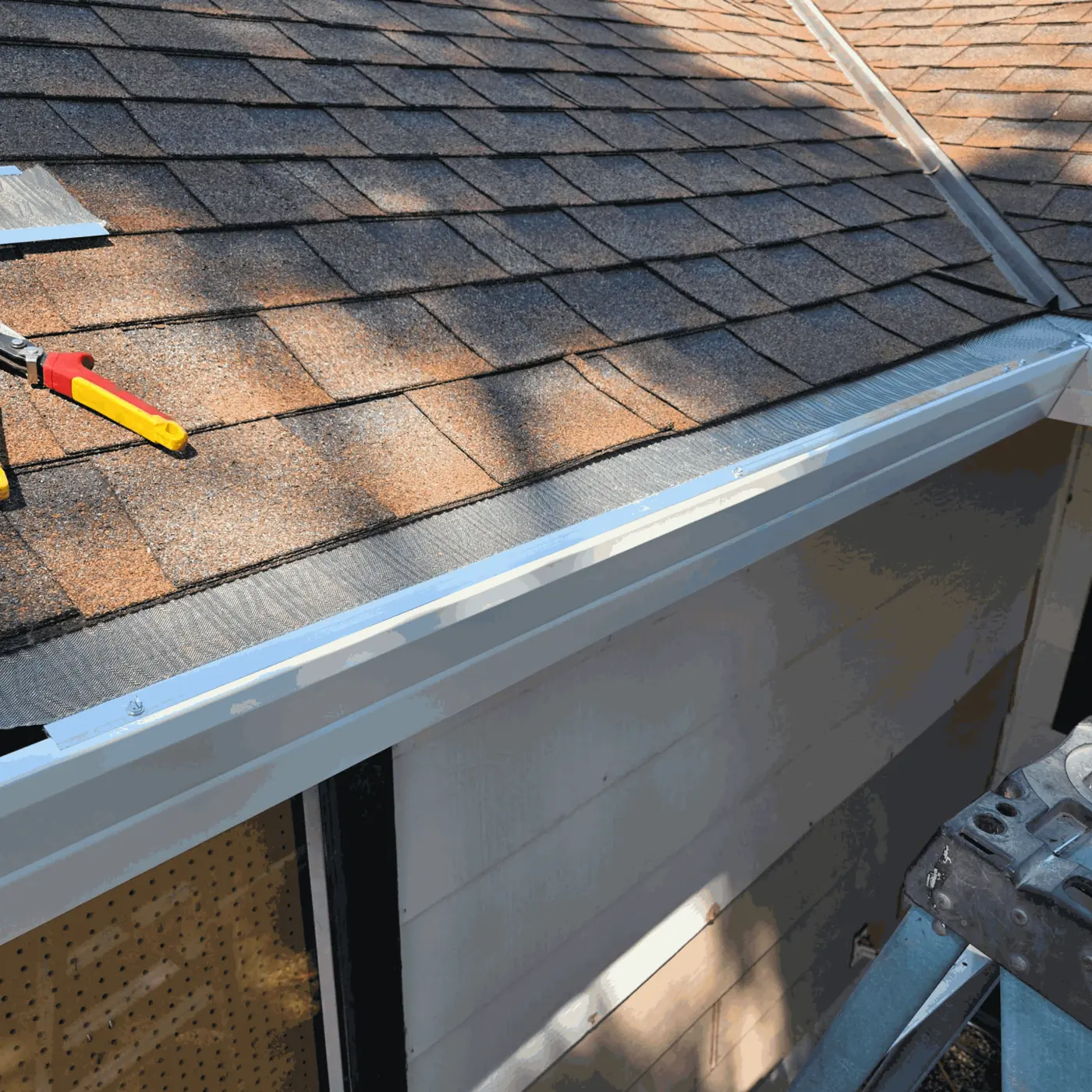
Shingle manufacturer warranties — issued by companies like GAF, Owens Corning, and CertainTeed — typically void coverage at the eave if the shingles are lifted, trimmed, or anything is inserted beneath them. Some gutter guard installation methods require sliding the back lip of the guard under the first course of shingles to secure it to the roof deck. This lifts the shingle at the eave, which technically violates the manufacturer warranty terms. The impact on actual waterproofing performance is minimal, but the warranty voiding is contractually real.
Guards that mount exclusively to the gutter — attaching to the front face and back lip of the gutter without touching the roof surface — avoid this issue entirely. The guard is anchored to the gutter, which is itself fastened to the fascia. No contact with shingles, no warranty impact. This is the installation method Sacramento Gutter Guard uses on all residential projects, specifically to preserve roof warranty coverage.
Tile and metal roofs have different considerations. Tile roofs are common in Folsom, Roseville, and El Dorado Hills, and the tiles themselves are not bonded to a warranty the same way asphalt shingles are. Guard systems designed for tile attachment typically clip to the tile edge rather than sliding beneath, which is generally compatible with tile manufacturer guidance.
Before installation, check whether your roof is still under a manufacturer's labor warranty (typically 10–25 years from installation) or a contractor workmanship warranty (typically 1–5 years). If either is active, confirm the guard mounting method in writing before the installation date.